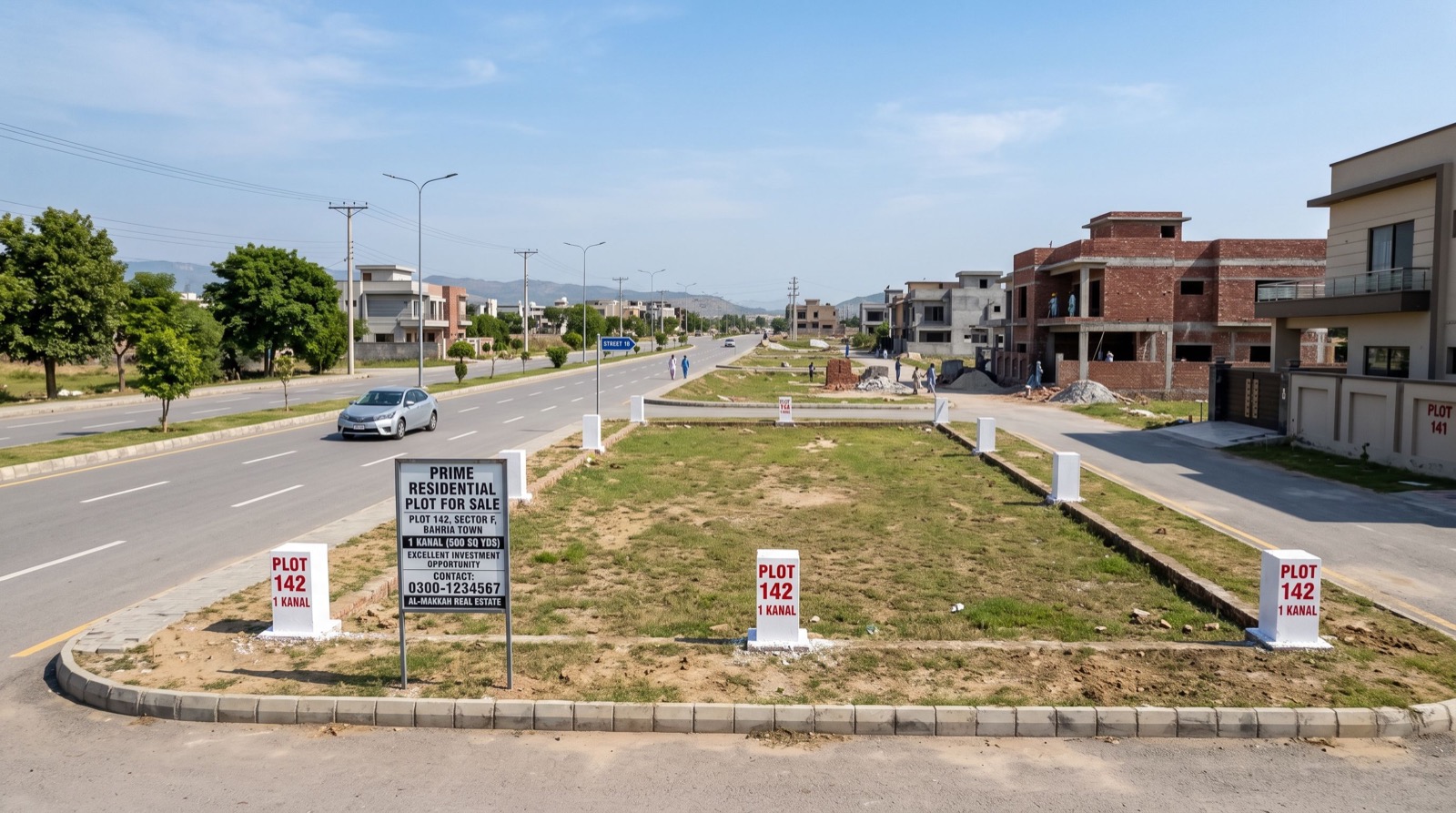
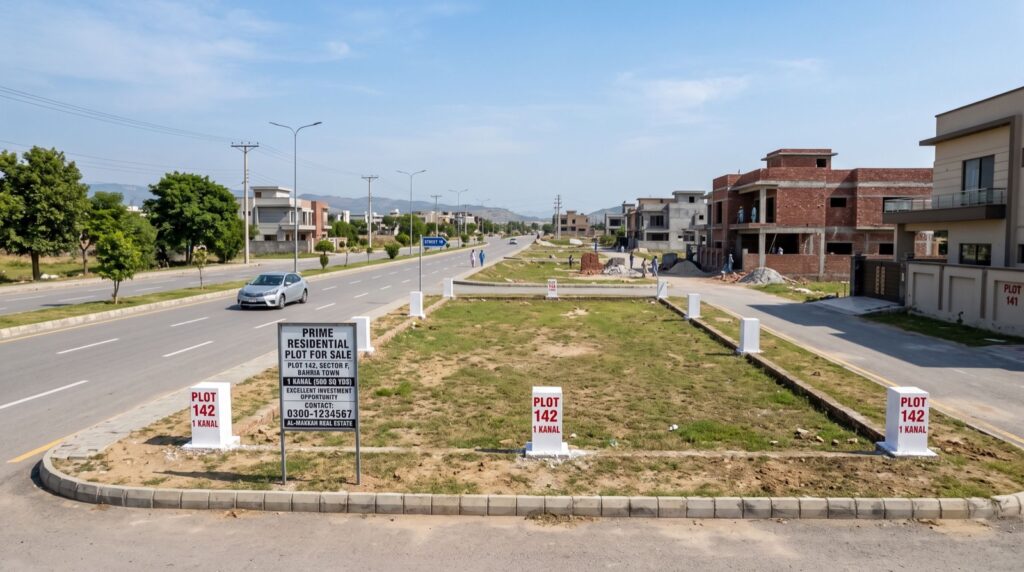
When buyers ask which schemes are safe to invest in, the honest answer starts with two words: legal approval. RDA approved housing societies give investors the one thing every property deal needs—certainty. Approval means the layout is sanctioned, the blocks are recognised, and your transfer will stand up to scrutiny years down the line. In 2026, with new corridors opening around Rawalpindi and Islamabad, understanding approval is the difference between a secure asset and a frozen dispute.
This explainer cuts through the jargon. We define what approval actually means, show you how to verify it yourself, and explain why an approved file resells faster and holds value better. If you have ever felt unsure whether a scheme’s paperwork is genuine, this guide gives you a repeatable process to check before you ever release a payment.
What are RDA approved housing societies?
Approval is a formal recognition that a scheme’s master plan, layout, and development standards meet the regulator’s requirements. It is granted after the developer submits plans and satisfies conditions on infrastructure, roads, and land ownership. Without it, a society operates on shaky legal ground.
For buyers, approval translates directly into protection. An approved plot is far less likely to face demolition, transfer refusal, or costly regularisation later. That security is precisely why cautious investors will pay a premium for sanctioned files over unapproved ones.
You can review the criteria and published records through the RDA approved housing societies resource, which explains what secure investment looks like in practice. Understanding the standard helps you separate genuine developments from speculative marketing.
Why does approval matter so much for resale?
Resale liquidity depends on buyer confidence, and nothing builds confidence like clean legal standing. When your file is approved, the pool of willing buyers widens dramatically, because banks, families, and investors all prefer safe transactions. A wider buyer pool means a faster, stronger exit whenever you decide to sell.
Approved vs unapproved: a clear comparison
The gap between an approved and an unapproved file is not cosmetic—it affects your money, your timeline, and your peace of mind. The table below lays out the core differences so you can see the stakes at a glance.
| Aspect | Approved society | Unapproved scheme |
|---|---|---|
| Legal risk | Low—sanctioned layout | High—possible demolition |
| Transfer | Clean, recognised | Uncertain, disputable |
| Resale demand | Strong buyer pool | Limited, cautious buyers |
| Financing | Easier to arrange | Often unavailable |
| Price stability | Steadier growth | Volatile, speculative |
The pattern is clear across every row: approval reduces risk and increases value. Even when an unapproved plot looks cheaper today, the hidden costs of regularisation and dispute usually erase any early saving. Safe files simply age better.
How to verify approval yourself
You do not need to be a lawyer to check a scheme’s status—you need a method. Follow these steps and you will catch most red flags before they cost you anything.
- Ask the seller for the society name and your specific block or phase.
- Match those details against official regulator records, not brochures.
- Confirm the plot number and dimensions on the approved master plan.
- Request all documentation—allotment, receipts, and NOCs—in writing.
- Only release payment once every detail reconciles with official records.
Consult the official portal of the Rawalpindi Development Authority to cross-check a scheme’s standing before you commit. Treat any reluctance to share documents as a serious warning. Transparent sellers welcome verification; evasive ones invite trouble.
What documents should every buyer demand?
At a minimum, insist on the allotment letter, dated payment receipts, and the approved layout showing your plot. These papers form the backbone of a clean transfer and your best defence in any future dispute. When the paperwork feels overwhelming, dependable specialists can review each document with you and flag anything that does not reconcile. Keep dated copies of everything.
Commercial opportunities within approved schemes
Approval matters just as much for commercial buyers, where the sums are larger and the yields higher. A sanctioned commercial plot can anchor shops, offices, or rental units with confidence. If you are exploring higher-yield options, review the available Commercial Plots in Islamabad and weigh them against your residential shortlist.
Commercial files carry higher entry costs but reward investors with stronger rental income and faster appreciation in active corridors. The key is to pair that upside with airtight legal standing. Never chase commercial yield in an unapproved scheme—the downside is simply too large.
Red flags that signal an unapproved scheme
Some warning signs appear again and again in problem deals. Learn to spot them early and you will sidestep the most common traps.
- Sellers who dodge questions about approval or refuse written documents.
- Prices that look far below the market with no clear reason.
- Vague possession timelines and missing utility development.
- Plot numbers that do not match any official master plan.
- Pressure to pay a large deposit “today” to secure a bargain.
Any single flag warrants caution; two or more should stop the deal entirely. A genuine bargain survives due diligence. A scam collapses under it.
Frequently Asked Questions
How do I confirm RDA approved housing societies are genuine?
Match the society name and your specific block against official regulator records, then verify the plot number on the approved master plan. Always request allotment letters, receipts, and NOCs in writing, and release payment only once everything reconciles.
Is an approved plot really worth the higher price?
Yes—approval lowers legal risk, widens the resale buyer pool, and makes financing easier, all of which protect and grow your capital. The apparent saving on an unapproved plot is usually erased by regularisation costs and dispute risk.
Can I get financing for an unapproved scheme?
Financing is generally difficult or impossible for unapproved schemes, because lenders require clean legal standing. Approved societies are far easier to finance, which also broadens your future resale market.
What is the single most important document to check?
The approved master plan showing your specific plot is critical, alongside the allotment letter and dated receipts. These confirm both the legal status of the scheme and your individual claim to the plot.
Conclusion: verify first, invest second
Investing in RDA approved housing societies is the surest way to protect your capital in 2026’s fast-moving market. Approval delivers legal safety, stronger resale demand, and easier financing—advantages that compound over time. Verify every file, demand documents in writing, and let facts guide your decision.
Ready to invest safely? Confirm approval, reconcile every document, and secure your plot with total confidence.